Why Do London’s Airports Feel Like Organized Chaos in Motion?
If there is one place that perfectly captures the phrase “organized chaos,” it might be London’s Airports. They are spaces where holidays begin, business trips are negotiated, and emotional homecomings quietly unfold. All of it happens under the pressure of security queues and departure boards that seem to change plans faster than passengers can adapt.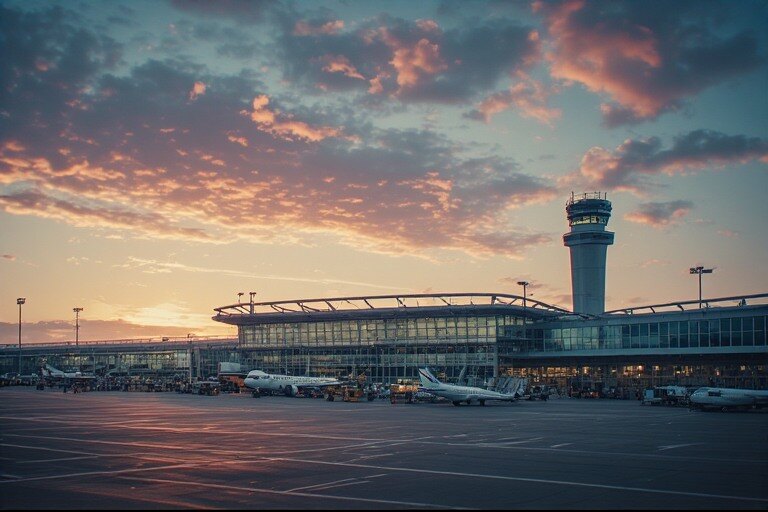
At first glance, everything appears structured and controlled. Signs are clear, terminals are mapped, and systems are in place. But the human experience inside those systems tells a different story. Time stretches, compresses, and rearranges itself in ways that rarely feel logical.
How Does Heathrow Turn a Simple Walk Into a Full Expedition?
Heathrow Airport often feels less like a transport hub and more like a small city in constant motion. Passengers move through terminals with urgency, weaving between cafés, shops, and departure gates. Even a simple coffee stop can feel like a strategic decision. The atmosphere carries a constant sense of movement.
Gates are often announced as a short walk away, yet the journey always feels longer than expected. Corridors extend, escalators appear, and distances seem to shift subtly with time pressure. The experience becomes a quiet race against boarding calls. Every step feels slightly more important than the last.
What Makes Gatwick Feel Like a Competition You Didn’t Sign Up For?
Gatwick Airport introduces a different kind of tension, especially at security. Lines appear similar at first, but their outcomes are never equal. One queue moves quickly while another seems to slow down without explanation. The unpredictability becomes part of the experience.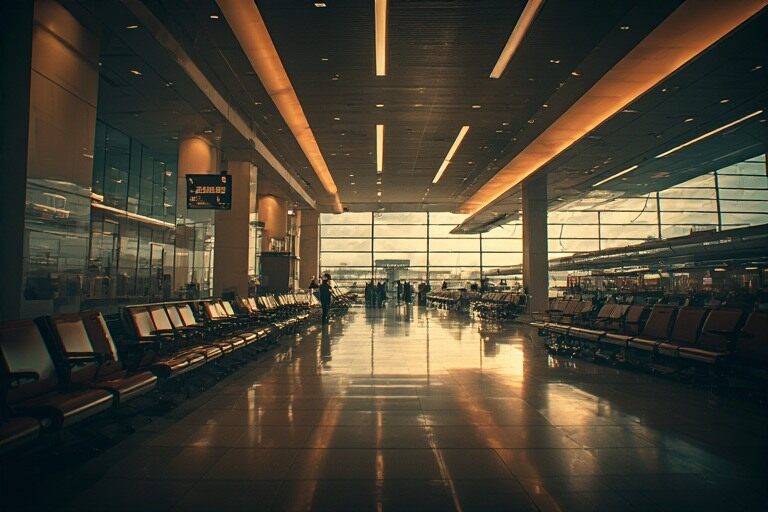
Passengers often find themselves observing other lines with quiet curiosity. Someone nearby may already be repacking their belongings while others are still waiting for instructions. The contrast creates a subtle sense of competition. Yet everyone is participating in the same process, just at different speeds.
Why Does Stansted Feel Calm Until It Suddenly Isn’t?
Stansted Airport often begins with a surprising sense of calm. Clean floors, organized signage, and steady movement create an impression of simplicity. At first, everything feels manageable and straightforward. The environment suggests efficiency and order.
That perception changes once the distance to gates becomes clear. What initially seemed close slowly reveals itself as a much longer walk. Passengers begin to adjust their pace, calculating time and steps as they go. The calm gradually transforms into quiet urgency.
What Defines the Personality of London’s Smaller Airports?
Luton Airport carries a faster, more compact energy, where movement feels continuous and slightly unpredictable. There is a sense that everything is happening at once, requiring constant attention. Passengers often double-check details, just to be sure nothing has been missed. The pace feels active and immediate.
London City Airport, in contrast, feels streamlined and precise. Everything appears efficient and minimal, as if designed for quick transitions. The atmosphere is calm but focused, with less room for delay or distraction. It feels structured around speed and intention.
Why Does Time Stop Making Sense Inside Airports?
Even simple journeys take on a different scale once inside the airport environment. What seems like a quick trip expands into a full-day experience. Despite the complexity, people continue moving forward with purpose. And somehow, the process becomes part of the journey itself.